

The Ketogenic Breakfast Scramble
This summer I studied abroad at the University of Cambridge. I researched the influences of different diets on cancer and the overall health of the human microbiome. The microbiome is the symbiotic bacterial ecosystem within your gut that helps regulate your immune system, promotes nutrient absorption and defines digestive (and overall) health. Fun fact: the microbiome has 100x the amount of genes than the human genome itself! These bacteria have coevolved with humans for millions of years, yet the microbiota is often neglected in modern medicine.
While conducting research this summer, I came across a fascinating remedy, which many of you might have heard of: the Ketogenic Diet. If you are a nutrition buff, paleo lover, or just really hungry right now, scroll to the recipe and get cooking! If you are a science geek like me, read more below about the scientific evidence of Ketogenic Diets and their capacity to alter cancer progression.

All about the Western Diet vs. the Ketogenic Diet…
I learned that American females consume approximately 40% of their total daily calories from fats (mostly animal and vegetable fats), while women Japanese women consume 10-20% (Divisi et al., 2006). Italian women, however, consume a high amount of fat, similar to American women, but consumption of animal and vegetable fats is slim. The Mediterranean diet, for example, is known for its weight-loss results and anticancer properties.
Italians and Grecians consume a considerably high amount of healthy fats, fiber from fresh fruits and vegetables, and little meat.
Linseed oil consumed in the Mediterranean is rich in Omega-3 fatty acids and monounsaturated fatty acids, which act as cancer preventative agents, which may suggest how Southern Italy and Greece have low risks of cancer (Divisi et al., 2006). The type of fats consumed may influence microbiome health. A diet high in natural fats, known at the “Ketogenic Diet” is also proven to enhance mitochondrial function to reduce deuterium in the mitochondrial matrix, thereby reducing cancer cell proliferation (Boros et al., 2016), as discussed below.
Want to learn more about Ketogenic diets and metabolism? Read on!
Mitochondria are the Adenosine Triphosphate (ATP)-producing, metabolic organelles of the cell that regulate the intake of carbohydrates. Glucose, an organic molecule, is the main source of energy for the body in a normal metabolic state, where mitochondria use nutritional glucose to produce ATP for energy in the tricarboxylic acid (TCA) cycle. High carbohydrate diets (high-sugar diets) produce glucose and insulin for energy, whereas low-carb, high-fat diets produce ketones in the liver from the breakdown of fats. Ketosis is the survival state of the body initiated when the intake of food is low.
Ketogenic diet, or “Keto Diet” is described as high in natural fat, low in carbohydrates and moderate in protein (Ngo, Steyn, McCombe, & Borges, 2015).
20% of intake is carbohydrates, 20% protein, and 60% fat.
The Keto Diet forces the body into a metabolic state whereby energy is produced by fat conversion in the liver, rather than lowering carbohydrate intake. Ketones thus become the main source of energy for the body.
This recipe features Ketogenic-friendly ingredients and (of course) high protein content.
How does this metabolism thing work?
The compositional ratio of hydrogen (1H) and deuterium (2H) present in mitochondrial metabolic matrix water is proven to have great influence on mitochondrial health and cellular growth.Deuterium, a naturally occurring, heavier and stable isotope of hydrogen found in human plasma. Enzymatic action of hydratase, via hydride ion and hydrogen atom transfer reactions, in the TCA cycle reduces deuterium in the mitochondrial matrix water, from redox cofactors, fatty acids and DNA. Low levels of deuterium protect cells by maintaining stronger hydrogen bonds in DNA. A recent study by Boros, et al. in 2016 explores the influence of deuterium-depleted water (DDW) on the functioning mitochondrial health, DNA stability and cancer cell growth.
This study revealed a switch from a ketogenic diet to a high carbohydrate interferes with deuterium depletion in mitochondria, thus inducing cancer proliferation!
Another clinical study of 129 lung cancer patients revealed use of DDW as a nontoxic anticancer dietary supplement extended the mean survival time of patients by 2-4 times (Gyongyi et al., 2013). (Amazing, right?)
Furthermore, a double-blind, randomized, 4-month phase II clinical trial with extended follow-up revealed DDW intake decreased prostate tumor volume by three times, eliminated urination pains, decreased PSA expression, and increased one-year survival rate (Kovács, et al., 2011).
Another one! Combination therapy of DDW and conventional treatments were proven to increase mean survival rates in lung cancer patients, even those with brain metastases, and to significantly improve survival in advanced-stage breast cancer patients as well as reduce recurrence (Krempels et al., 2013; Krempels, Somlyai, & Somlyai, 2008).
DDW proved its effectiveness of preserving healthy mitochondrial function as a protective therapeutic option for cancer patients, pointing to the effectiveness of environmental and dietary alterations in metabolism.
So…why might Westernized diets be cancer-promoting?
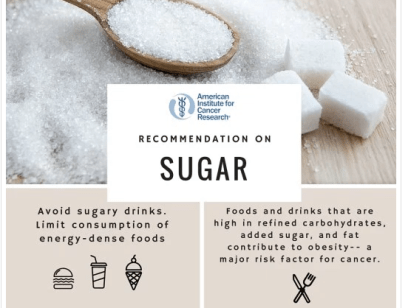
The myths are true: sugar and lots of processed carbohydrates. High-sugar diets interfere with mitochondrial health and the depleting action of deuterium in cells, leading to DNA instability, unlimited cell growth, hydrogen bond breaks, and aneuploidy in cancerous cells (Boros et al., 2016). Also, diets high in processed carbohydrates thus correlate to heightened cancer rates, potentially as a result of excessive deuterium loading. Want to know about the deep science? Here it is: Non-TCA cycle derived oncometabolites commonly accumulate due to aerobic glycolysis mechanisms, as proposed by the Warburg Effect in malignant cancer cells (Tedeschi et al., 2013). Such oncometabolites might even act as deuterium-loading substrates, such as glycine in breast cancer, asparagine in leukemia, choline in prostate, brain, breast cancers, and glucose, lactate and serine in all cancers. They act to block mitochondrial ketogenic deuterium depletion and cause DNA instability or aneuploidy due to poor hydrogen bonding, disruption in proton tunneling and lack of efficient DNA repair (Boros et al., 2016).
. . .
Whether or not you are a cancer patient, know that this diet does make you feel better (and different)! Many body-builders use this diet for maximizing their protein intake and muscle growth.
So, what are you waiting for?! Cook this up for a healthy breakfast!
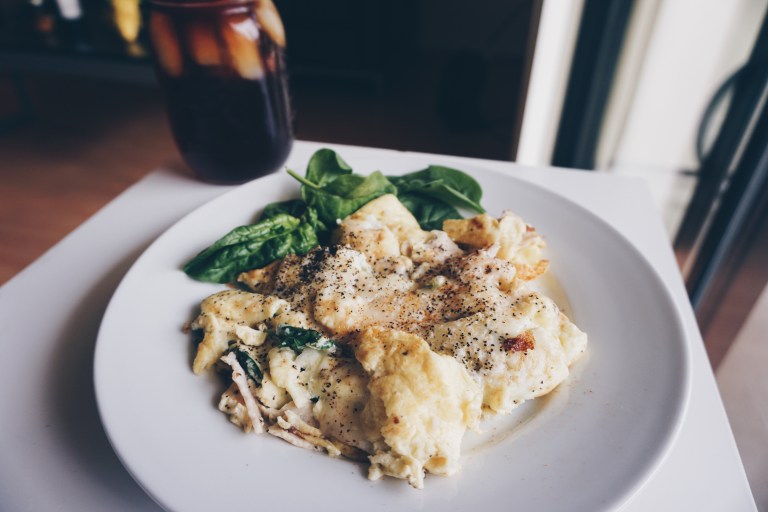
Ingredients:
- 1/2 tbsp Grass-fed, salted butter
- 1 Applegate Organic Roasted Turkey Breast slice
- Green veggies like spinach
- 2 Omega-3 whole eggs
- 1 splash of coconut milk
- Unprocessed mozzarella cheese
- 1/2 avocado or 1 tomato, optional
- Salt, pepper and cayenne pepper to taste
Simple steps:
- Melt the butter on medium-low heat, toss in spinach and turkey.
- Whisk the eggs and milk
- Pour in and cook in the pan until the sides start to bubble
- Fold it in half for an omelet or push them around in the pan, flipping over to get a scramble.
- Top with cheese, salt and pepper. Let it melt as desired.
- Serve with avocado or tomato! Enjoy the power of the Ketogenic Diet!

Contact me with any questions or suggestions: bonappetitlife@gmail.com


Absolutely UNREAL.
-Ari
LikeLike
Thank you kind sir !:)
LikeLike