I can’t eat WHAT?! Excuse me…
If you are reading this, chances are that you received a special little pamphlet at the doctor’s office about irritable bowel syndrome (IBS) or the low FODMAP diet. If you are anything like me, you skimmed the restrictions, “…milk, onion, garlic, avocado, apples…” and it feels like the world is crumbling around you. But–do not despair! The low FODMAP diet is, by definition, an “elimination diet,” which means you start by cutting out all the “NO” ingredients for 6-8 weeks, then start to re-introduce ingredients. The full elimination diet is NOT forever!
FIRST THINGS FIRST: Attitude is everything
My first piece of advice is this: the low FODMAP diet is not that bad. Do not catastrophize it—you will be fine, and, most importantly, you will notice a difference in your gastrointestinal symptoms likely within two weeks! I promise. The FODMAP diet is one of the hardest diets to follow, but well worth it—so, stick to it and follow your gut (literally)!
SECOND THINGS SECOND: Smartphone Apps
If you have a smartphone, download The Low FODMAP App by Monash University right now! It is the best resource I found thus far for the FODMAP diet. After all, it was created by the creators of the low FODMAP diet! $12.99 well-spent. Trust me.
I was also recently recommended the Fig App. It is very similar to the Monash App, but free and allows for barcode scanning and ingredient searches.
LASTLY: The Colorful Plate
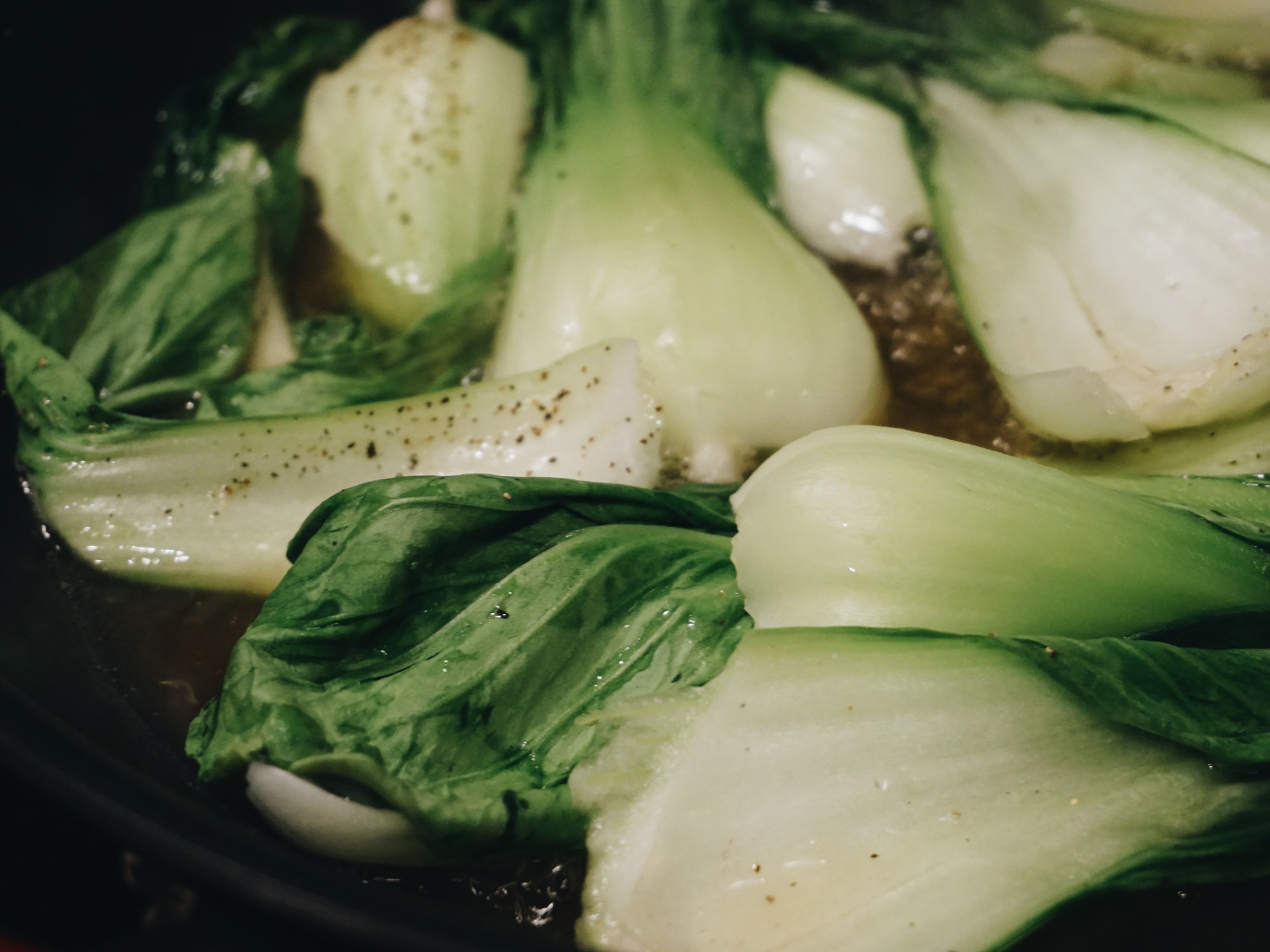
Focus on the positives, a.k.a. your “YES” ingredients list. If you start mulling over the “NO” list for too long, you will forget the wide variety of foods you still can eat. Do not despair! The key here is to maintain the largest variety of foods in the diet while maintaining the low FODMAP diet. THINK: a colorful plate! The more colorful your plate, the more macro- and micro-nutrients you will ingest. You will learn to love baby bok choy, quinoa, and papaya pretty soon!
Scroll through this website and find some recipes! You will want to cook for yourself and eat at home for the next few weeks. Go to your favorite grocery store today with your list of “YES” ingredients.
My goal with this blog is to provide you with resources and simple recipes that will make you and your gut happy. I hope you feel better about your diagnosis and, instead of worrying about what you cannot have, look at all the beautiful food you can eat.
Low FODMAP Diet: The Science
Anyone who knows me would say I am a biology nerd! The folks at Monash University in Australia—the scientists who created the low FODMAP diet—definitely qualify for the same category. Monash researchers extracted different types of carbohydrates from a long list of foods and determined the composition of each food. They categorized each according to how many oligosaccharides, disaccharides, monomers, or polyols they are made of.
FODMAP stands for fermentable oligosaccharides, disaccharides, monomers, and polyols. FODMAPs are different kinds of carbohydrates (think “sugars”) that are not absorbed in your intestine.
“No” Sugars:
-Oligosaccharides
-Disaccharides
-Monomers
-Polyols
Patients with IBS, or IBS-like disorders (such as my diagnosis, fructose malabsorption), cannot properly digest FODMAPs. Foods that are low in FODMAPs are absorbed by your intestine normally, but foods high in FODMAPs remain undigested in the stomach and small intestine. Upon entry into the colon, FODMAPs are fermented (hence, “f” in FODMAP) by the bacteria that coexist in your large intestine. This colony of bacteria is called the human gut microbiome and it is known to play an important role in the regulation of the body’s key functions, including immune and metabolic functions. After the bacteria in the colon ferment these undigested sugars, fermentation release gases which cause bloating, pain, and irritate normal bowel movements.


Where do I start?
- Start by taking care of yourself. Take one week to eat plain comfort foods.
*Family Recipe Alert* My mom is known for her “Chicken and Rice Soup,” a delicious comfort food known to cure all ailments. Chicken and rice is an old-fashioned, Southern family recipe. I would recommend eating very bland, simple meals (like chicken and rice) for the first 3-4 days of your elimination cleanse. This will help get rid of whatever you had in your system the last 24-72 hours. Recipe here.
So, it might sound ridiculous, but follow this meal plan to start the cleanse:
| MONDAY | TUESDAY | WEDNESDAY |
|
|
|
|
|
|
|
|
|
*If you are vegan or vegetarian, substitute the chicken for zucchini and quinoa. Substitute the chicken broth for vegetable broth (make sure there is no onion or garlic in the broth when you purchase it).
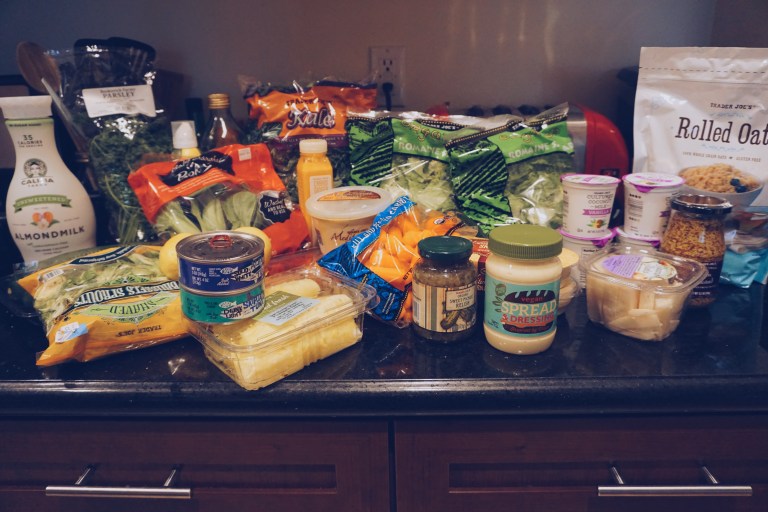
- Now, it is time to hit the grocery store with your list of “YES” things you can eat! Use your Low FODMAP App by Monash University to guide you.
These are my staples:
- Quinoa
- Chicken or vegetable broth
- Rolled oats
- Seeds, flax seeds
- Pecans
- Peanuts
- Almonds
- Maple syrup
- Brown rice
- Black beans
- Califia Farms Almond Milk (unsweetened)
- Health-Ade Kombucha
- Coffee or tea
- Zucchini
- Yellow squash
- Baby Bok Choy
- Avocados
- Carrots (great for snacking)
- Cucumber (reduces bloating)
- Spinach (freeze spinach leaves for smoothies)
- Raspberries
- Canned tuna
- Deli meat
- Gluten-free pasta
- European-style bread or gluten-free bread
- Almond butter (fresh)
- Peanut butter (fresh)
- Strawberry jam (no citric acid or high fructose corn syrup)
- Olive oil
The PHASES
| Time | Stage | You will… |
| First 6-8 weeks | Elimination |
|
| 8-12* weeks | Reintroduction |
|
*It takes most people years to reintroduce and figure out what works for them. Stay patient!
I noticed a complete transformation to a symptom-free life after two very strict weeks on the low FODMAP diet. This is different for everyone—so just stick to it. Everyone’s journey on FODMAP is different, so follow your own gut and listen to your body.
Recommended resources:
- The Low FODMAP App by Monash University for your smartphone (best $8.99 you ever spent—you will thank me later)
- The free Fig App
- Kate Scarlata’s Blog
- Calm Belly Kitchen Blog
- Your local registered and licensed nutritionist (look for “RDN,” registered dietitian nutritionist)
If you have questions, need advice, or would like to share your own FODMAP transformation story, reach out to me: bonappetitlife@gmail.com
Good food | Good mood| Good life
Sophie

 BONAPPETITLIFE
THANK YOU FOR THIS. This will be my bible. Thank you
-Ari
LikeLike